With his powdered white ponytail, dark sunglasses, and starched high collars, Karl Lagerfeld was more than just a designer; he was a living, breathing fashion institution. Even years after his passing, his influence on how we dress, how we perceive luxury, and how we build our wardrobes remains absolutely untouchable.
If you are currently building a capsule wardrobe or striving for that perfect “quiet luxury” aesthetic, you are, in many ways, following the blueprint laid down by Lagerfeld. As the Kaiser himself famously stated:
“Trendy is the last stage before tacky.”
This single sentence perfectly encapsulates his philosophy. He didn’t chase fleeting micro-trends; he created uniform codes that lasted a lifetime. Here is a look at how Lagerfeld’s genius continues to shape our closets today, and why his vision is immortal.
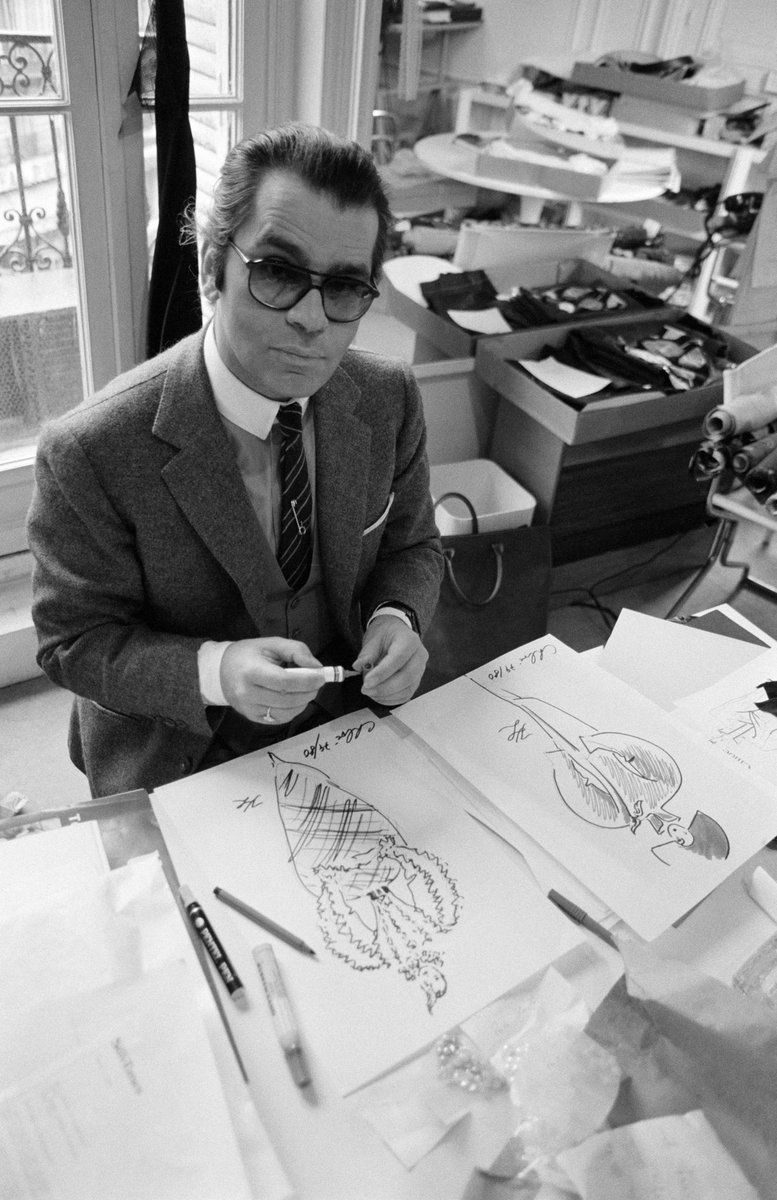
The Resurrection of Chanel
To understand Lagerfeld’s power, you have to look at what he did for Chanel. When he took the helm in 1983, the historic French house was considered a “sleeping beauty”—respected, but resting too heavily on its past. It was a brand for a bygone era.
Karl did the unthinkable: he took the sacred codes of Coco Chanel—the tweed suit, the pearls, the interlocking Cs, the quilted leather—and violently modernized them. He shrank the jackets, paired tweed with denim, and turned the logo into the ultimate pop-culture status symbol. He taught the fashion world a vital lesson: to honor a legacy, you cannot be afraid to break its rules. Today, every time you pair a structured bouclé jacket with your favorite straight-leg jeans, you are channeling Karl’s Chanel.
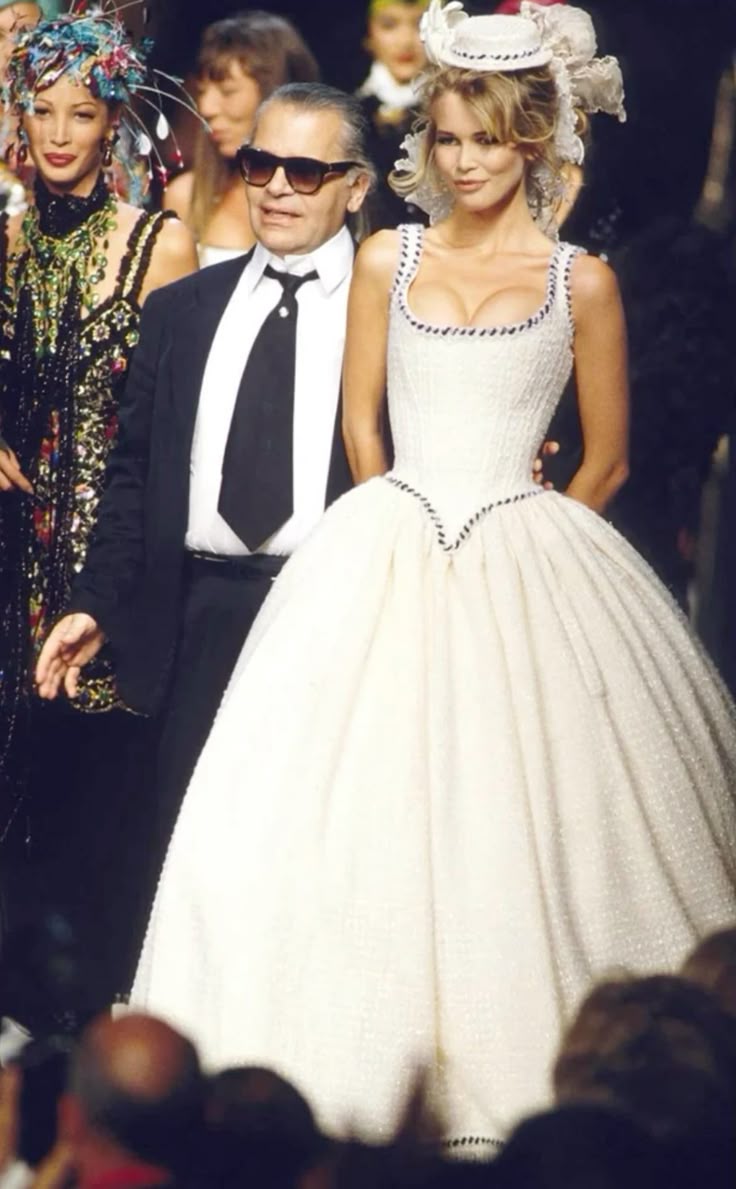
The Power of the Personal Uniform
Long before “capsule wardrobes” were trending on Pinterest, Karl Lagerfeld mastered the art of the personal uniform. He understood that true style is about finding a silhouette that works for you and committing to it religiously.
His uniform of a tailored black jacket, a crisp white high-collared shirt, and black denim became his armor. It is a reminder that you do not need a closet bursting with different colors and wild prints to be the most stylish person in the room. Confidence comes from consistency.
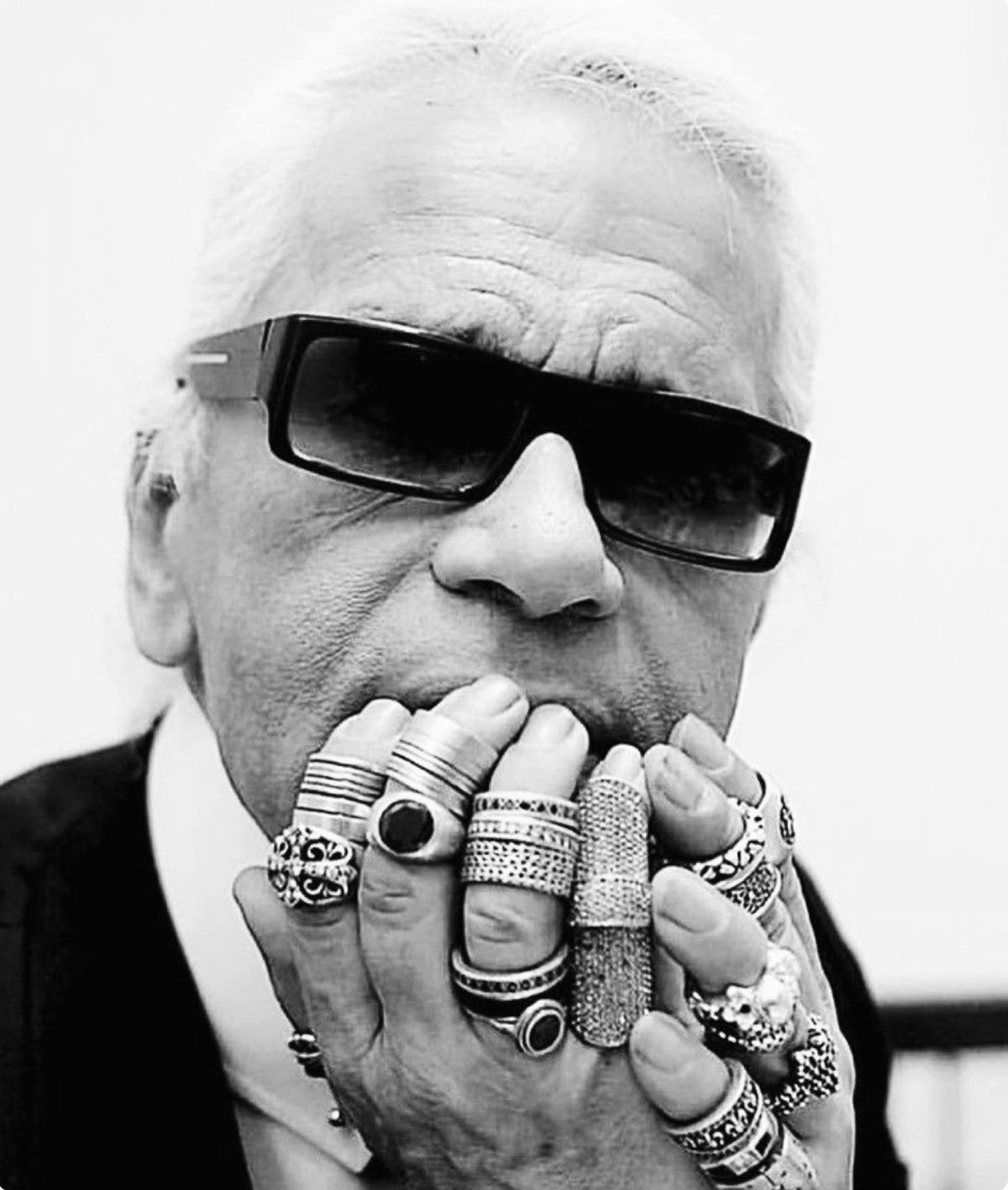
Black and White as the Ultimate Canvas
Lagerfeld once said, “Black, like white, is the best color.” If you look at the most iconic runways he orchestrated, they were often heavily anchored in a strict monochromatic palette.
He proved that black and white are never boring; they are the ultimate canvas for texture, tailoring, and bold accessories. When in doubt, a crisp white poplin shirt tucked into tailored black trousers will always be the chicest option in your wardrobe. It is a formula that defies time and trends.
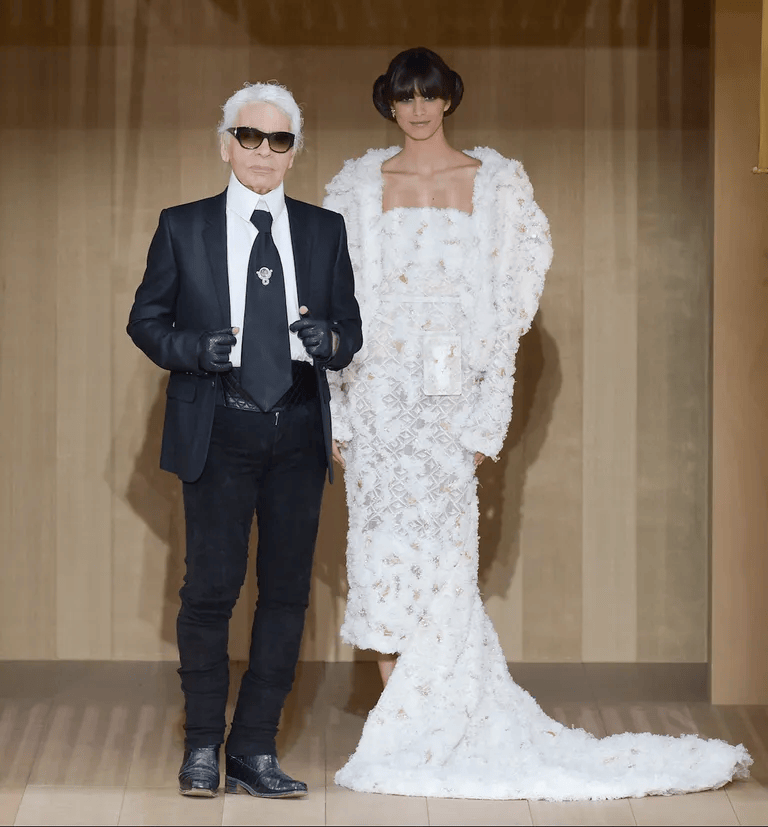
The Enduring Vision
Karl Lagerfeld was a man who lived entirely in the future, constantly sketching, constantly creating, and constantly pushing the boundaries of what fashion could be. He transformed the industry from a quiet, exclusive club into a global pop-culture phenomenon.
As the iconic ’90s anthem Happy Nation so powerfully states:
“A man will die, but not his ideas.”
Karl may have left the runway, but every time we slip into a tweed jacket, reach for a quilted bag, or choose the timeless elegance of black and white over a fleeting trend, his ideas continue to live, breathe, and walk the streets with us.
What is your favorite Karl Lagerfeld era or design? Let’s discuss his incredible legacy in the comments below!


That quote — “trendy is the last stage before tacky” — has been my guiding principle for years and I never even realized it came from Lagerfeld until now. His approach to fashion as a permanent uniform rather than seasonal chasing is exactly why his influence still feels so present. This piece does such a wonderful job connecting his philosophy to the quiet luxury movement we’re living through right now. It’s clear that everything we admire about modern minimalism has roots in his vision. Brilliant tribute.